

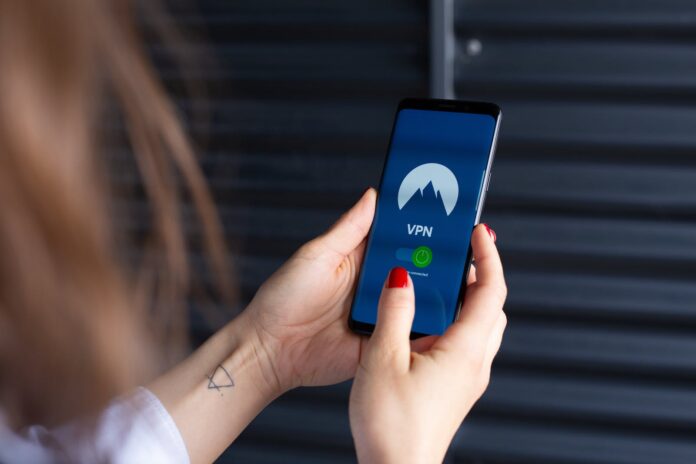
A Virtual Private Network (VPN) is a technology that allows users to create a secure connection over the internet. It encrypts your internet traffic and routes it through a remote server, making it difficult for anyone to intercept your data. VPNs have gained popularity in recent years due to their ability to enhance online security and privacy. In this article, we will explore the basics of a VPN, explain why it is crucial for church staff to use one, discuss how to choose the right VPN for your church, provide guidance on implementing VPN usage, and address common concerns about VPNs.
Table of Contents
Understanding the Basics of a VPN
In today’s digital age, where privacy and security are of utmost importance, it is crucial to understand the basics of a Virtual Private Network (VPN). A VPN allows individuals to securely access the internet by creating a private network connection, providing them with peace of mind and protection from potential threats.
Defining VPN: What Does It Mean?
So, what exactly is a VPN? A VPN, short for Virtual Private Network, is a technology that enables users to establish a secure and encrypted connection to the internet. By using a VPN, individuals can mask their IP address and encrypt their data, making it nearly impossible for hackers, government agencies, or malicious actors to track their online activities. Another benefit is that the data collectors that monitor and monetize your behaviors have limited ability to track you when you use a VPN.
In today’s digital age, where information is constantly being collected and shared, it’s crucial for the church to protect its data and maintain a strong online presence. With a VPN, individuals can ensure that their personal information remains confidential and their internet usage is not monitored or restricted. This is particularly vital for church leaders who need to communicate with members, donors, and other organizations without the fear of interception or surveillance.
But a VPN isn’t just about security. It also allows users to access content that may be restricted in their region due to censorship or geographical limitations. This can be useful for missionaries or volunteers working in areas with limited internet access, allowing them to stay connected with their home community and access important resources.
In addition to protecting data and accessing restricted content, a VPN can also improve the overall internet experience for church staff and members. By connecting to a server in a different location, users can bypass network congestion and potentially improve connection speeds. This is especially useful for churches that rely heavily on online platforms for communication, streaming services, or remote work.
Another benefit of using a VPN is the ability to maintain secure connections while traveling. Church leaders who frequently travel for conferences or mission trips can use a VPN to ensure that their sensitive information remains protected, even when using public Wi-Fi networks.
Furthermore, many VPN providers offer additional features such as ad-blocking and malware protection. This not only enhances the user
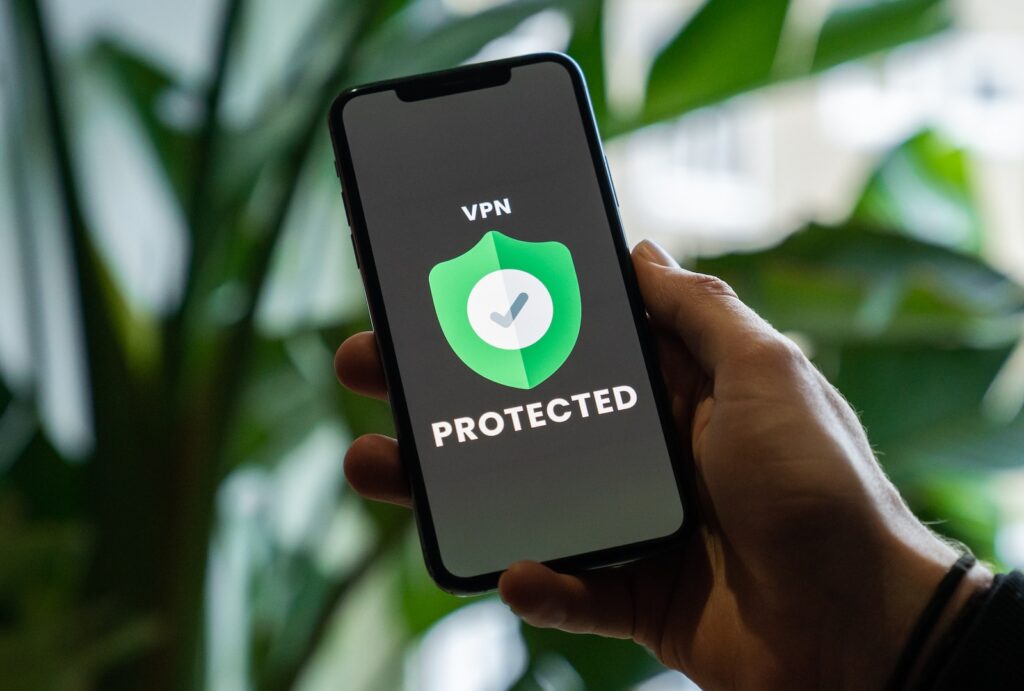
Imagine a VPN as a protective shield that shields your online presence from prying eyes. It creates a secure tunnel between your device and the internet, ensuring that your data remains confidential and protected.
How Does a VPN Work?
When you use the internet, everything you do online can be seen by other people. But if you use a VPN, it’s like you’re going through a secret tunnel. Your internet traffic is all mixed up and scrambled so nobody else can understand it. Then it goes through the VPN server before it gets to the website or app you want to use. It’s like your own little secret path that keeps you safe on the internet. This process adds an extra layer of security, making it extremely difficult for anyone to intercept or decipher your data.
By utilizing a VPN, you can browse the internet with peace of mind, knowing that your online activities are shielded from prying eyes. Whether you’re accessing sensitive information, conducting online banking transactions, or simply browsing the web, a VPN ensures that your data remains confidential and protected.
Moreover, a VPN prevents third-party entities, such as internet service providers (ISPs) who just want to sell your personal data for profit, from monitoring your online activities. This means that your browsing history, search queries, and other online interactions are kept away from prying eyes.
Another feature of VPNs is that by connecting to a VPN server located in a different country, you can appear as if you are browsing the internet from that specific location, granting you access to content that may otherwise be unavailable in your region.
By understanding the basics of a VPN, you can make informed decisions about your online security and enjoy a safer and more private internet experience.

The Importance of VPN for Church Staff
Church staff members play a vital role in handling sensitive information and ensuring the smooth operation of religious organizations. In today’s digital age, where online privacy and security are paramount, utilizing a VPN is becoming more crucial for church staff. As you can imagine now, a VPN offers a range of benefits that enhance online privacy and ensure secure communication.
Enhancing Online Privacy
Privacy is of utmost importance, especially for church staff who handle sensitive information. With a VPN, your online activities are securely protected and this added layer of security protects your church staff members from potential cyber threats and unauthorized access to their personal and professional information.
Church staff can have peace of mind knowing that their online presence is protected and their privacy is respected.
Ensuring Secure Communication
Secure communication is crucial for church staff, as they often deal with sensitive information and discussions. The big benefit here is that a VPN makes it virtually impossible for anyone to eavesdrop on your online conversations.
With the ubiquity of work from home options today, a VPN allows church staff to securely connect to your church’s internal network, even when they are outside the physical premises. This enables them to access the ChMS, giving related files, pastoral care records, and engage in confidential dialogue without compromising the security of the information being shared.
Accessing Geographically Restricted Content
Many church staff members may need to access resources, documents, or websites that are geo-restricted. A VPN can help bypass these restrictions by masking your IP address and allowing you to connect to servers in different locations. This enables church staff to access the information they need, regardless of their physical location.
For example, if a church staff member is traveling abroad and needs to access a specific website or online resource that is only available in their home country, a VPN can provide that solution. By connecting to a server located in their home country, the VPN allows them to bypass the geo-restriction and access the desired content. This flexibility and accessibility provided by a VPN ensure that church staff can fulfill their responsibilities effectively, no matter where they are.
Embracing the advantages of a VPN empowers church staff to carry out their duties with confidence and peace of mind in the digital realm.
Security And Privacy Is An Increasing Concern For Churches
If you look at the headlines for any given month, you’ll see that data breaches and cases of mis-use of private personal information is increasing as time goes by. Because the church’s core operations involve people’s personal information, data privacy and security needs to be escalated in terms of priority at most churches today. A VPN is an easy first step in the right direction.
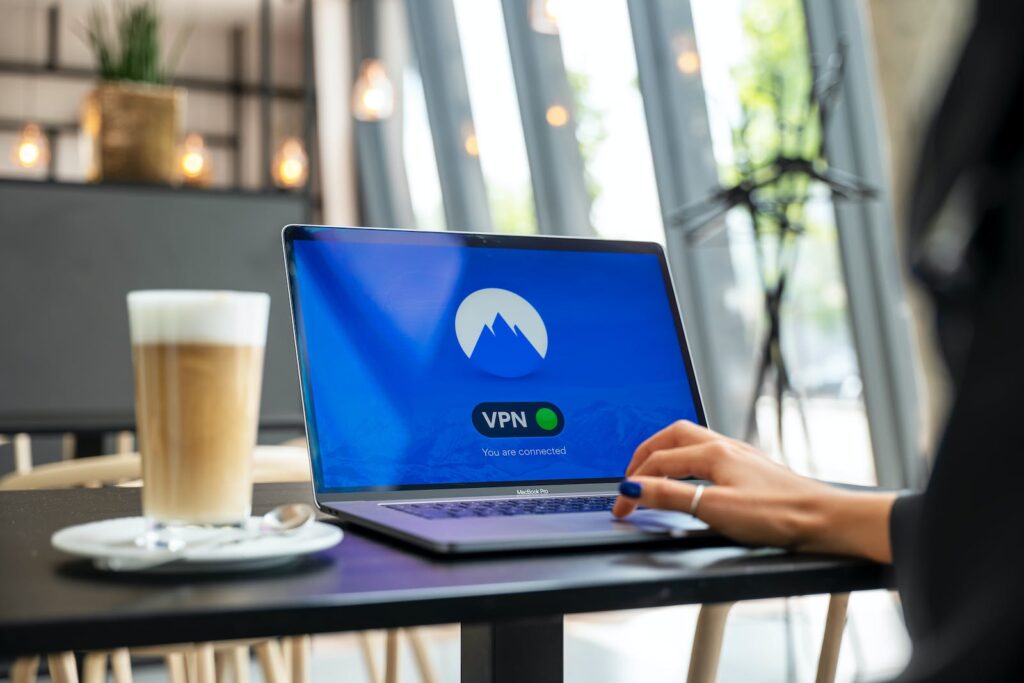
Choosing the Right VPN for Your Church
Factors to Consider When Selecting a VPN
When choosing a VPN for your church, several factors need to be taken into consideration. Firstly, ensure that the VPN provider has a strong reputation for security and privacy. Look for features such as strong encryption protocols, a strict no-logs policy, and a wide range of server locations. Additionally, consider the ease of use, compatibility with different devices, and pricing options.
Recommended VPN Services for Churches
There are numerous VPN services available, each with its strengths and weaknesses. Some popular choices for churches include NordVPN, ExpressVPN, and CyberGhost. NordVPN is the market leader and offers a generous free VPN offer. These providers have established themselves as reliable and secure options, offering robust encryption, user-friendly interfaces, and comprehensive customer support.
Implementing VPN Usage in Your Church
Training Staff on VPN Use
Introducing VPN usage to your church staff requires minimal training and guidance. Educate your staff about the benefits of using a VPN and provide step-by-step instructions on how to set it up on their devices. Emphasize the importance of using VPNs when handling church-related matters and encourage regular usage to maintain a secure online environment.
Offer all church staff 3-months free VPN to try out plus up to 65% off
Maintaining and Updating Your VPN
Once your church staff starts using a VPN, it is essential to maintain and regularly update the VPN software. Keep track of any updates or patches released by the VPN provider and ensure that your staff members install them promptly. This helps to address any potential security vulnerabilities and ensures that your VPN remains effective and secure.
Addressing Common Concerns About VPNs
Debunking VPN Myths
There are some misconceptions surrounding VPNs that need to be debunked. Some people believe that VPNs slow down internet speeds, but in reality, modern VPN services are designed to minimize any noticeable impact on speed. Similarly, VPNs are sometimes associated with illegal activities, but it is important to remember that VPNs are legitimate tools that provide privacy and security to users.
Addressing VPN-Related Challenges
Implementing VPN usage may present certain challenges, such as compatibility issues with specific software or devices. This is a rare issue in today’s typical church workflow. However, it is crucial to address these challenges promptly by seeking assistance from your VPN provider’s support team (for example, NordVPN offers 3 ways of customer support) or IT professionals. They can help troubleshoot any issues and provide guidance on optimizing the VPN setup for your church staff’s needs.
Final Thoughts
Hopefully, you’ll now see that a VPN is a valuable tool for church staff to enhance online security, privacy, and accessibility. By understanding the basics of VPN technology, selecting the right VPN provider for your church, and implementing VPN usage effectively, church staff can enjoy the benefits of a secure and private online environment. Addressing common concerns and ensuring compliance with policies will further increase the overall compliance and frequency of VPN usage. By prioritizing the adoption of VPNs, church staff can safeguard sensitive information, communicate securely, and access geographically restricted content without compromise.