


|
TL;DR Just like Napster disrupted music, AI is reshaping media rights—raising urgent questions about consent, compensation, and protecting creators’ work. 1. Napster decentralized music, but Apple’s iTunes restored order with legal frameworks. 2. Today, AI scrapes text, images, audio, and video—often without permission. 3. Creators face loss of control, credit, and revenue. 4. The challenge: build an “iTunes for AI” that safeguards rights while enabling innovation. |
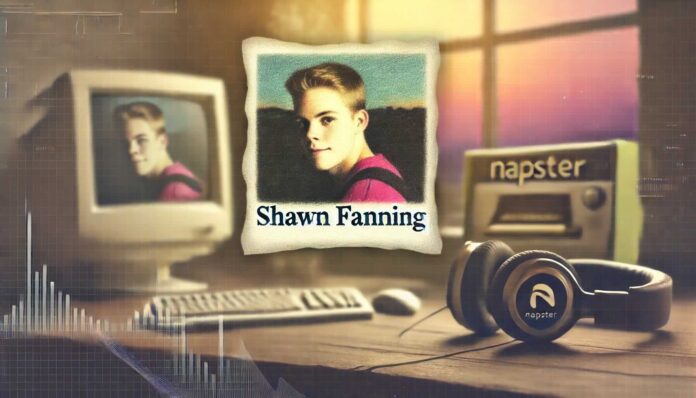
The dawn of the 21st century was a defining moment for the music industry. An unassuming, college-aged tech enthusiast named Shawn Fanning unleashed Napster, a peer-to-peer (P2P) file-sharing platform, onto the world in 1999. At the time, few could foresee the seismic impact this would have not just on music, but on intellectual property (IP) ownership, distribution, and the very fabric of the media industry. Napster’s story became a cautionary tale about the consequences of decentralizing IP, and it paved the way for the rise of legal digital distribution platforms like Apple’s iTunes. Now, as we find ourselves on the cusp of another technological revolution—one involving artificial intelligence and vast quantities of data—we are witnessing what may be the next “Napster moment.”
In this moment, the conversation has shifted from the music industry to media and content in its broadest forms. Companies are rapidly ingesting massive datasets, training sophisticated language models, and generating content at unprecedented rates—all too often without the original creator’s consent. Once again, we find ourselves waiting for a solution, a system akin to Apple’s iTunes, that will reinstate control, compensation, and credit to the rightful owners. But before we dive into this next chapter, let’s revisit how Napster disrupted the music industry—and how a company like Apple salvaged it.
The Rise of Napster and the Decentralization of Music IP
In the late 1990s, the traditional music industry operated within a well-defined ecosystem. Record labels signed artists, produced albums, distributed physical media like CDs, and marketed songs on the radio and through other channels. The whole operation was tightly controlled, with clear revenue streams for labels, producers, and musicians.
Enter Napster. What made it revolutionary wasn’t just the technology, but the radical redistribution of power it enabled. Suddenly, users with private servers and home internet connections could freely share music files with each other, bypassing record stores, radio stations, and distributors. Napster decentralized the consumption of music, allowing anyone with an internet connection to access an infinite catalog of songs without paying a dime.
For music lovers, it was nothing short of utopia. For the music industry, however, it was a nightmare.
Almost immediately, Napster began attracting legal trouble. The Recording Industry Association of America (RIAA) accused the platform of facilitating copyright infringement on a massive scale. Lawsuits followed, spearheaded by major artists like Metallica and Dr. Dre, who were among the most vocal critics. Napster’s legal battles culminated in its shutdown in 2001, but the platform had already ignited a cultural and technological shift. Consumers now expected music to be accessible digitally and for free.
The genie was out of the bottle.
Apple’s iTunes: A Savior for a Disrupted Industry
Napster’s rise was both a warning and an opportunity. It showed the power of digital distribution but exposed the fragility of an IP system that had not yet caught up with the digital age. This is where Apple entered the picture.
In 2003, Apple launched the iTunes Store, which transformed the way music was bought, sold, and consumed. With iTunes, Apple introduced a digital rights management (DRM) system that safeguarded music owners’ intellectual property while allowing consumers to legally purchase and download songs. This move was as much about restoring trust in digital music as it was about generating profit.
What made iTunes successful was not just the legal framework it provided, but the ecosystem it created. Apple brought together music labels, producers, musicians, and consumers under one platform that made music consumption easy, seamless, and, most importantly, legal. For $0.99 per song, consumers could download tracks while being assured that the proceeds were distributed fairly among the creators.
iTunes was not just a distribution platform; it was a secure IP exchange. It gave the music industry a lifeline, providing a new model for monetizing content in the digital era. The success of iTunes highlighted an important principle: technology does not have to undermine creators; it can empower them, provided the right framework is in place.
Our Napster Moment: The AI-Driven Data Scramble
Today, we find ourselves at a similar crossroads, but this time, it’s not music that’s at stake—it’s content in all its forms. With the rise of artificial intelligence (AI), machine learning, and large language models, vast quantities of media—text, images, audio, and video—are being scraped from the internet to train AI systems. These systems, in turn, produce content at a scale and speed that human creators cannot match.
The problem? Much like Napster’s decentralized exchange of music, much of this data is being used without the consent of the original creators. Authors, journalists, filmmakers, and other content creators are seeing their work fed into AI systems without compensation, recognition, or control over how it’s used. Large language models like OpenAI’s GPT or Google’s Bard rely on these datasets to generate human-like responses, articles, and other media. Yet the intellectual property of the original creator is rarely acknowledged or protected.
This is our “Napster moment.”
The ease with which data can be ingested, redistributed, and repurposed has created an ethical and legal quagmire. Much like the music industry at the turn of the millennium, media creators today find themselves in a precarious position. Their work is being used in ways they never intended, without compensation or control. And just as Napster upended the traditional music ecosystem, AI is threatening to do the same for media.
However, this disruption also presents an opportunity for innovation. Much like Apple’s iTunes, what is needed now is a secure platform that will not only protect creators but also facilitate a fair and transparent exchange of digital media.
Waiting for the “iTunes” of Media IP: A Call for Faith-Inspired Innovation
In the aftermath of Napster, Apple succeeded by providing a solution that aligned the interests of content creators and consumers. The platform didn’t just enforce IP rights; it created a thriving marketplace that made legal consumption easier than piracy. Today, we need an equivalent platform for the broader media landscape—a system that wraps digital media in DRM, facilitates payments, and ensures that IP owners maintain control over their work. But the responsibility for building this future doesn’t just rest with tech companies or lawmakers. People of faith are uniquely positioned to lead the way in innovating solutions to these challenges, guided by a commitment to justice, fairness, and the inherent dignity of work and creativity.
In the Christian worldview, we are called to steward resources responsibly and ensure that individuals are treated fairly. This extends to how we handle intellectual property in the digital age. Creators are not simply content generators; they are individuals made in the image of God, endowed with creativity and purpose. The exploitation of their work without consent undermines not only legal principles but also ethical and moral ones. As we consider technological solutions to this problem, people of faith should take the lead in ensuring that new platforms honor the work of creators and provide a framework for fair compensation, credit, and control.
A faith-driven approach to digital rights would recognize the value of transparency, truth, and respect for ownership, concepts deeply rooted in the Christian ethic. Innovation should serve humanity, not exploit it, and technology can be a powerful tool for upholding the dignity of the individual. Just as Apple’s iTunes saved the music industry from chaos, a faith-informed solution for media IP would focus not only on economic incentives but also on a deeper respect for the labor and creativity behind each piece of content. This approach would embrace the following principles:
- Digital Rights Management for AI-Era Content: Much like iTunes wrapped music in DRM, a faith-driven solution must provide protection for all forms of media content, ensuring that creators retain control over how their work is used. This system would reflect the biblical principle of stewardship, recognizing that creators should have authority over the fruits of their labor.
- Fair Compensation: Scripture teaches us to ensure that “the laborer is worthy of his wages” (1 Timothy 5:18). In a world where AI models and large datasets generate vast amounts of media, it’s essential that creators are fairly compensated for their work, whether through direct payments for their content or revenue-sharing models for derivative works. Just as iTunes made purchasing music affordable and easy, this new platform would need to make legal, fair exchanges seamless for all parties involved.
- Transparency and Credit: A core biblical value is truth, and truth demands transparency. Creators deserve to know how their work is being used and to receive proper credit for it. By building systems that clearly track the use of media IP, faith-inspired innovators can ensure that creators receive recognition for their contributions, fostering trust and cooperation in the digital marketplace.
- Restoring Trust Through Justice and Righteousness: In Proverbs 31:8-9, we are called to “speak up for those who cannot speak for themselves” and to “defend the rights of the poor and needy.” Today, many creators—especially those without large platforms or resources—find themselves powerless as their content is scraped and exploited without permission. A faith-centered approach to solving these digital rights issues would involve standing up for the “small creators” who may otherwise be overlooked, advocating for justice and righteous systems that protect everyone, not just the powerful or well-connected.
A Hopeful Future for Creators: Led by People of Faith
As we stand at the edge of this Napster moment for media, it’s easy to feel apprehensive. Just as the music industry feared for its future in the early 2000s, today’s creators face an uncertain landscape. Yet history has shown us that disruption can also lead to innovation. Apple’s iTunes was not just a solution to a problem; it was a new beginning for music creators and consumers alike.
People of faith are particularly well-suited to lead the charge in creating solutions that protect intellectual property in this new digital age. With a mindset rooted in service, justice, and stewardship, Christians can help build platforms that do more than simply enforce legal rights—they can ensure that all creators are treated with dignity, respect, and fairness. By infusing technology with ethical principles, faith-driven innovators can contribute to a future where technology empowers creators, rather than exploiting them.
We are now waiting for this breakthrough in the world of digital media. A platform that restores control, compensation, and credit to creators, while making it easier for consumers to access content in a legal and transparent way. Such a platform will give us confidence that creators’ rights are protected, while also ensuring that AI and other emerging technologies can be harnessed responsibly and ethically.
As people of faith, we have the responsibility to not only recognize the potential harm in this new digital landscape but also to be the architects of just, ethical, and redemptive solutions. According to Andy Crouch, “Redemptive AI means repairing damage that’s been done in a human system through creative application, and often through sacrifice.” Just as iTunes offered a lifeline to the music industry, followers of Jesus can offer both a vision and application of technology that honors and restores the creative process, protecting intellectual property while allowing innovation to flourish.
This is our Napster moment—and, like before, we have the power to shape what comes next. Let us lead with innovation, integrity, and a commitment to justice, ensuring that the digital future reflects the values of fairness and stewardship.

Good stuff Jason! Very thought provoking.