

TL;DR: The ChatGPT Atlas browser signals a shift toward AI-powered browsing that can research, summarize, and execute tasks for pastors — transforming how ministry leaders prepare, plan, and manage digital work.
|
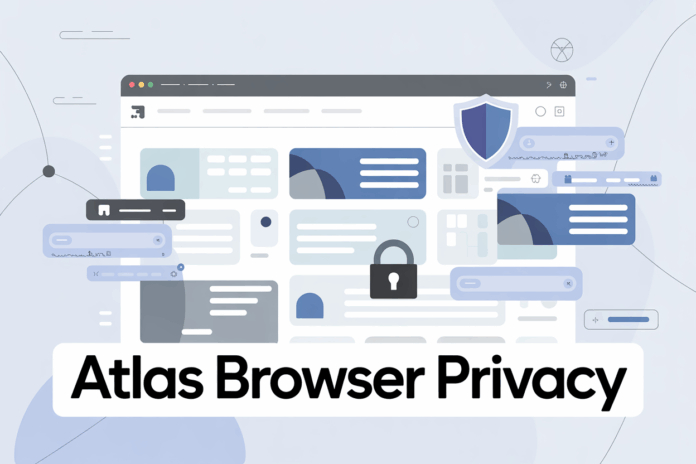
In October 2025, OpenAI (the company behind ChatGPT) launched Atlas – a new kind of web browser that puts artificial intelligence at the center of your online experience. As busy church leaders constantly switching between sermon research, counseling resources, event planning, and community outreach, this technology offers exciting possibilities – but also raises important privacy questions.
This article explains what Atlas can do, how it might help your ministry, and what privacy considerations you should understand before using it.
What Makes Atlas Different from Regular Browsers?
Unlike Chrome, Safari, or Firefox, Atlas isn’t just a window to view websites. It’s designed to be an active partner in your online activities:
- Instead of just showing you webpages, Atlas can understand them
- Rather than just opening tabs, Atlas remembers what you’ve viewed and why
- Instead of making you do everything yourself, Atlas can complete online tasks for you
Think of it like the difference between having a regular filing cabinet versus having a helpful assistant who not only organizes your files but can find connections between them, summarize them, and even fill out forms based on what’s in those files.
5 Ways Atlas Could Help Your Ministry Work
1. Smarter Sermon Research
When researching sermon topics, Atlas can gather information across multiple sources, summarize key points, and help you organize your thoughts. Ask questions like, “Find commentaries on Isaiah 40 that discuss comfort during difficult times” and Atlas doesn’t just show links – it synthesizes the information.
2. Simplified Administrative Tasks
Atlas can help with the tedious parts of ministry – booking retreat venues, ordering supplies, or registering for conferences. It can fill out forms, compare options, and complete multi-step processes while you focus on more important tasks.
3. Better Pastoral Counseling Resources
When helping church members through difficult situations, quickly find relevant resources by asking Atlas to gather information on specific topics. For example, “Find Christian perspectives on grief counseling” would provide organized, summarized information from various sources.
4. Enhanced Community Outreach
Planning community events becomes easier when Atlas can research local venues, compare costs, check availability, and even help draft promotional materials – all within the same browser environment.
5. Streamlined Communication
Atlas can help draft emails, newsletters, or social media posts based on your previous communications, maintaining your voice and style while saving you time.
The Privacy Trade-Off: What You Need to Understand
While these features sound helpful, they come with important privacy considerations that are especially relevant for pastoral work:
How Atlas Works Behind the Scenes
To provide its helpful features, Atlas needs to “see” and understand your browsing in ways traditional browsers don’t:
- Browser Memories: Atlas creates summaries of websites you visit and stores them as “memories” (for up to 7 days) to provide personalized assistance.
- Content Processing: When you view a webpage in Atlas, its contents are sent to OpenAI’s servers for AI processing, unlike traditional browsers where pages are only processed on your device.
- Agent Mode: For paid subscribers, Atlas can take actions on websites on your behalf – clicking buttons, filling forms, and navigating sites.
Key Privacy Concerns in Simple Terms
1. Confidential Pastoral Information
When counseling church members, you often handle sensitive personal information. If you use Atlas to research or document these matters, that information is processed on OpenAI’s servers. While OpenAI applies filters to remove personal information, the context might still reveal private details.
2. Security Vulnerabilities
Security researchers have identified potential risks with AI browsers like Atlas. Within 24 hours of launch, they demonstrated how malicious websites could potentially manipulate Atlas through “prompt injection” – hidden instructions that could trick the AI into unintended actions.
3. Comprehensive Browsing Visibility
Unlike traditional browsers that simply load webpages, Atlas actively observes and remembers your browsing patterns. This means OpenAI has visibility into which resources you consult, how you research topics, and potentially even confidential church business.
4. Data Collection Scope
When Browser Memories is enabled (which Atlas “pushes very aggressively” during setup), OpenAI’s servers receive information about every page you visit. The company applies privacy filters and claims to delete data quickly, but the AI still makes connections between your activities.
Practical Guidelines for Pastors Considering Atlas
If you’re interested in Atlas’s benefits but concerned about privacy, consider these practical guidelines:
1. Use Atlas Selectively
Keep a separate traditional browser (like Firefox or Brave) for sensitive tasks such as:
- Counseling research involving personal situations
- Church financial matters
- Confidential communications
- Personal or sensitive ministry activities
2. Adjust Privacy Settings
If you do try Atlas:
- Disable Browser Memories entirely (in Settings > Data controls)
- Turn off “Help improve browsing & search” to stop data sharing
- Never opt-in to model training (keep “Include web browsing” toggled OFF)
- Use logged-out Agent Mode when testing automation features
3. Think of Atlas as a Public Space
A helpful mental model: anything you view or do in Atlas should be considered as if you’re doing it in a public setting. If you wouldn’t feel comfortable researching a topic or viewing a page with someone looking over your shoulder, don’t use Atlas for that activity.
4. Consider Your Pastoral Responsibility
As a pastor, you have ethical and sometimes legal obligations regarding confidentiality. Before using any technology that processes sensitive information, consider whether it adequately protects the trust people place in you.
Final Thoughts
Atlas represents an exciting development in how we might use the internet for ministry work. Its ability to understand content, remember context, and complete tasks autonomously could save busy pastors valuable time and improve research quality.
However, the privacy and security considerations are significant. The technology actively processes your browsing in ways traditional browsers don’t, creating new risks for sensitive pastoral work.
The wisest approach is likely a balanced one: explore Atlas’s benefits for general research and administrative tasks, while maintaining traditional browsers for sensitive activities. As with many technology tools, the key is understanding what happens behind the scenes so you can make informed decisions about when and how to use it in your ministry.