



TL;DR Perplexity.ai positions itself as a research-first alternative to ChatGPT/Claude, offering web search–backed answers with citations and tools for deeper exploration.
|
Understanding AI Chatbots: Quick Start Guide For Pastors
Artificial Intelligence (AI) chatbots are becoming an essential tool in many fields, including ministry. The majority of church staff are now using AI in their ministry work in some way. This guide aims to help pastors understand what AI chatbots are, how they work, and how they can be used effectively in a church setting. We will focus on three popular AI chatbots: ChatGPT, Perplexity AI, and Claude AI.
What is an AI Chatbot?
An AI chatbot is a computer program designed to simulate human conversation. These chatbots use advanced technologies like Natural Language Processing (NLP) and Machine Learning (ML) to understand and respond to text or voice inputs in a way that feels natural and human-like.
How Do AI Chatbots Work?
AI chatbots operate by processing input data (what you type or say), analyzing the intent behind the input, and generating a relevant response. Here’s a simple breakdown of how they work:
- Input Processing: The chatbot receives the user’s input, which could be a question, command, or statement.
- Intent Analysis: The chatbot uses NLP to understand the meaning and context of the input. It looks at the words used, the tone, and other factors to determine what the user wants.
- Response Generation: Based on its understanding, the chatbot generates a response. This response is crafted to be as helpful and natural as possible.
Key Technologies Behind AI Chatbots
- Natural Language Processing (NLP): This technology helps the chatbot understand human language, even if it includes slang, typos, or complex sentences.
- Machine Learning (ML): ML allows the chatbot to learn from past interactions and improve over time. The more it interacts with users, the better it becomes at understanding and responding accurately.
- Sentiment Analysis: This helps the chatbot understand the emotions behind the user’s words, allowing it to respond more empathetically.
Types of AI Chatbots
There are different types of AI chatbots, each with varying levels of complexity and capabilities:
- Rule-Based Chatbots: These chatbots follow a set of predefined rules. They are good for simple tasks but can’t handle complex queries.
- Self-Learning Chatbots: These use AI to learn from past interactions and improve over time. They can handle more complex queries and adapt to new situations.
- Generative AI Chatbots: These can create new content based on the input they receive. They use advanced algorithms to generate responses that are not pre-programmed.
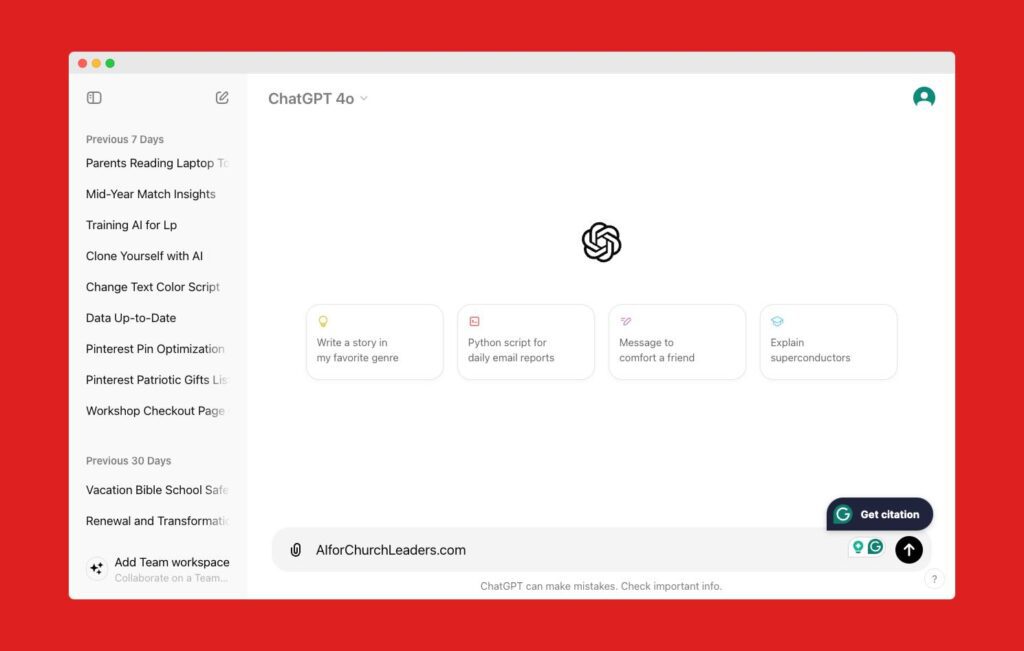
ChatGPT: Features and Uses
ChatGPT, developed by OpenAI, is one of the most advanced AI chatbots available. Here are some of its key features:
- Conversational Abilities: ChatGPT can engage in detailed and natural conversations, making it ideal for answering questions and providing information.
- Contextual Understanding: It can maintain the context of a conversation over multiple exchanges, allowing for more coherent and meaningful interactions.
- Creative Assistance: ChatGPT can help generate ideas, write content, and provide suggestions on various topics.
- Multilingual Capabilities: ChatGPT can understand and respond in multiple languages, making it accessible to a broader audience.
- Self-Improvement: ChatGPT learns from interactions and improves over time, ensuring that its responses become more accurate and helpful.
- Code Generation: Claude AI can generate code snippets, understand different programming languages, and assist in debugging.
- Image Generation: Using Open AI’s Dall-E image model you can now ask ChatGPT to create an image, and it will do it for you within ChatGPT.

Perplexity AI: Features and Uses
Perplexity AI is another powerful AI tool, because it focuses more on providing accurate and comprehensive answers to queries. Here are some of its key features:
- Guided AI Search: Perplexity AI helps users explore topics in depth through guided searches, making it a valuable tool for research.
- Information Organization: Users can organize their research and data in Perplexity Collections, making it easier to manage and retrieve information.
- Bibliography: Perplexity provides footnotes for reference sites it used during the process to generate the chatbot response.
- Real-Time Information: It can search the web and provide real-time information with citations, ensuring the accuracy of the data provided.
- Multimodal Capabilities: Perplexity can analyze text, images, and other types of data, providing a more comprehensive understanding of queries.
- Pro Search: This feature allows for deeper and more detailed searches, providing more accurate and relevant results.
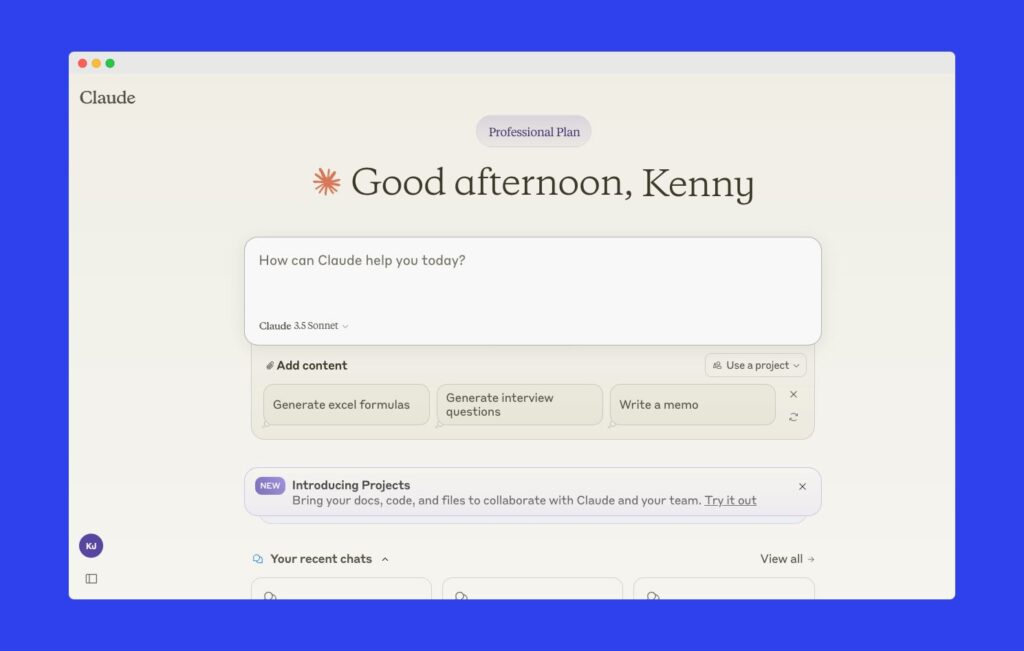
Claude AI: Features and Uses
Claude AI, developed by Anthropic, is designed to be a safer and more ethical alternative to other AI chatbots. Here are some of its key features:
- Conversational Abilities: Claude AI excels in engaging in natural, human-like conversations and is particularly good at understanding context and providing thoughtful responses.
- Content Creation: It can generate high-quality content tailored to user requirements, including summarization, editing, and creative writing.
- Language Translation: Claude AI supports multilingual capabilities, allowing real-time translation between different languages.
- Visual Processing: It can analyze and transcribe images, including photographs and handwritten notes.
- Ethical AI: Claude AI is trained using “Constitutional AI,” which ensures that it adheres to ethical principles, making it less likely to produce harmful outputs.
Comparing ChatGPT, Perplexity AI, and Claude AI
| Feature | ChatGPT | Perplexity AI | Claude AI |
|---|---|---|---|
| Primary Use | Conversational AI assistant | AI search engine and research assistant | Conversational AI assistant with ethical focus |
| Strengths | Natural responses, creativity, multi-turn dialogue | Accurate information, real-time search, citations | Ethical responses, content creation, visual processing |
| Training Data | Large dataset of internet text | Conversational data and web search | Large dataset with ethical training principles |
| Special Features | Voice and image processing, creative suggestions | Guided AI search, organizing information | Multilingual, visual processing, code generation, larger context window |
| Subscription Plans | Free and Plus plans (with additional features) | Free and Pro plans (with additional features) with integration of GPT & Claude AI models as options | Free and Pro plans (with additional features) |
How AI Chatbots Generate Responses
AI chatbots do not “think” like humans. Instead, they generate responses using a combination of advanced algorithms and statistical models. Here’s a detailed look at how this process works:
- Natural Language Processing (NLP): When a user inputs a message, the chatbot uses NLP to break down the text into individual words and phrases. It analyzes the sentence structure, identifies key entities (like names, dates, or locations), and determines the overall intent of the message.
- Context Understanding: The chatbot uses context from previous interactions to maintain a coherent conversation. For example, if a user asks, “What’s the weather like today?” followed by “And tomorrow?”, the chatbot understands that the second question is still about the weather.
- Word Prediction: The core of response generation lies in predicting the next word in a sentence. The chatbot uses a technique called “word embeddings” to convert words into numerical values that capture their meanings and relationships. It then uses these embeddings to predict the most likely next word based on the context and patterns it has learned from its training data.
- Sentence Construction: The chatbot constructs sentences one word at a time. It starts with the first word and then predicts the next word based on the previous one, continuing this process until the sentence is complete. This method allows the chatbot to generate responses that are grammatically correct and contextually relevant.
- Fine-Tuning with Human Feedback: After generating a response, the chatbot may undergo a process called reinforcement learning, where it receives feedback from human trainers. This feedback helps the chatbot refine its responses, making them more accurate and appropriate over time.
- Error Handling: If the chatbot encounters a query it doesn’t understand, it uses fallback mechanisms like re-prompting the user for clarification or redirecting the query to a human agent. This ensures that the conversation remains smooth and user-friendly.
Practical Applications for Pastors
AI chatbots can greatly enhance a pastor’s ministry by automating routine tasks and providing valuable insights. Here are some practical applications:
- Sermon Preparation: AI chatbots can help brainstorm sermon ideas, generate outlines, and provide relevant scripture references.
- Administrative Tasks: Automate routine inquiries from congregants, such as service times and event details, freeing up time for more personal interactions.
- Content Creation: Generate social media posts, newsletters, and other content to engage with the congregation effectively.
- Spiritual Guidance: While AI chatbots can provide supportive information for general spiritual insights, it’s important to remember that they are not infallible and should not replace personal pastoral care.
How to Get Started with AI Chatbots
For pastors interested in integrating AI chatbots into their ministry, here are some steps to get started:
- Identify Your Needs: Determine what tasks you want the chatbot to handle. This could include answering common questions, helping with sermon preparation, or managing administrative tasks.
- Choose the Right Chatbot: Based on your needs, choose between ChatGPT, Perplexity AI, and Claude AI. ChatGPT is better for conversational tasks, Perplexity AI excels in research and information retrieval, and Claude AI offers a balance with an ethical focus.
- Set Up the Chatbot: Follow the setup instructions provided by the chatbot platform. This usually involves creating an account, configuring the chatbot, and integrating it with your existing systems.
- Train the Chatbot: Provide the chatbot with relevant information and data to help it understand your specific needs. This could include church schedules, sermon topics, and common congregant questions.
- Monitor and Improve: Regularly monitor the chatbot’s performance and provide feedback to help it improve. This will ensure that it continues to meet your needs effectively.
Challenges and Considerations
While AI chatbots offer many benefits, there are also some challenges and considerations to keep in mind:
- Accuracy: AI chatbots are not perfect and can sometimes provide incorrect or irrelevant answers. It’s important to verify the information they provide, especially for critical tasks.
- Privacy: Ensure that the chatbot complies with privacy regulations and protects the personal information of your congregants.
- Ethical Use: Use the chatbot responsibly and ethically, ensuring that it aligns with the values and mission of your ministry.
- Human Touch: While AI chatbots can handle many tasks, they cannot replace the personal touch and empathy that a pastor provides. Use chatbots to complement, not replace, human interactions.
Conclusion
AI chatbots like ChatGPT, Perplexity AI, and Claude AI offer valuable tools for pastors looking to enhance their ministry. By understanding their capabilities and applications, pastors can leverage these technologies to improve efficiency, engage with their congregation, and focus more on personal pastoral care. With careful planning and ethical considerations, AI chatbots can become a powerful ally in your ministry, helping you serve your congregation more effectively.
Related Links:
[1] https://www.anthropic.com/news/claude-3-family
[2] https://www.pluralsight.com/resources/blog/data/what-is-claude-ai
[3] https://www.anthropic.com/news/introducing-claude
[4] https://www.reddit.com/r/perplexity_ai/comments/1c3swnc/i_compared_the_output_of_perplexity_ai_vs_claude/
[5] https://www.perplexity.ai/hub/getting-started
[6] https://builtin.com/articles/claude-ai
[7] https://www.techtarget.com/searchenterpriseai/feature/Claude-AI-vs-ChatGPT-How-do-they-compare
[8] https://www.freecodecamp.org/news/introduction-to-claude-ai/
[9] https://www.howtogeek.com/chatgpt-vs-perplexity-vs-claude/
[10] https://www.perplexity.ai/hub/faq/what-is-perplexity
[11] https://www.perplexity.ai/hub/technical-faq/what-is-the-difference-between-gpt-4-and-claude-2
[12] https://www.perplexity.ai/hub/faq/how-does-perplexity-work


As organizations increasingly adopt Claude AI, they report significant improvements in customer satisfaction and operational efficiency, demonstrating its practical benefits in real-world applications.