

|
TL;DR Church Management Software (ChMS) is not just for megachurches—small churches gain even more by saving time, strengthening community, and managing resources wisely. 1. Organize volunteers and automate tasks. 2. Centralize data, communication, and finances. 3. Gain insights with reports and tracking. 4. Choose simple, affordable, cloud-based solutions. |
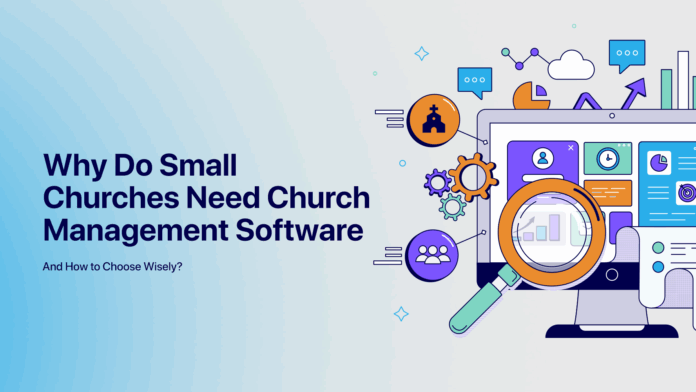
Why Do Small Churches Need Church Management Software (And How to Choose Wisely)?
Small churches are the backbone of communities everywhere. They are vibrant hubs of faith, fellowship, and service, often powered by the tireless dedication of volunteers and a close-knit community spirit. But behind the warmth and personal touch, small churches often face unique challenges. Limited staff, tight budgets, and the constant juggling of multiple roles can make even basic administrative tasks feel overwhelming. This is where Church Management Software (ChMS) steps in; not as a luxury for large organizations, but as a vital tool to empower and streamline ministry in churches of all sizes, especially smaller congregations needing a boost.
Busting the Myth: ChMS Isn’t Just for Large Churches
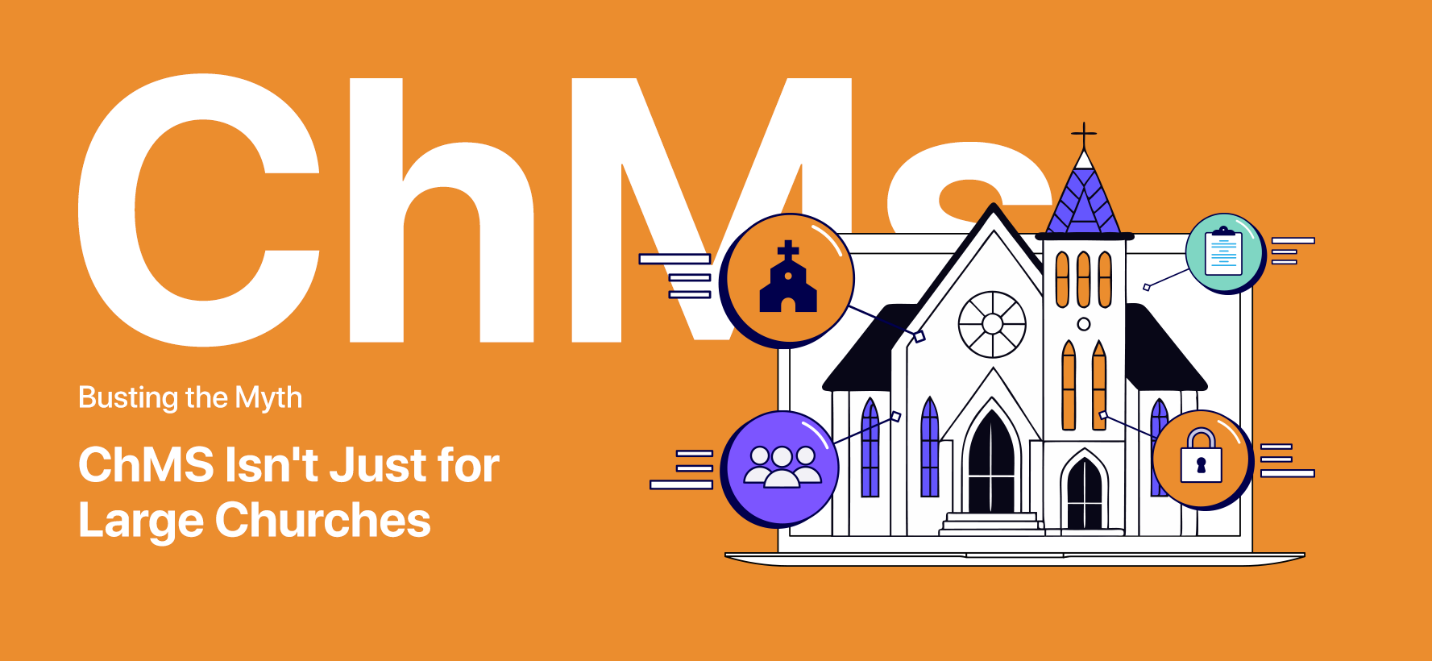
There’s a common misconception that ChMS is only for megachurches with sprawling campuses and large teams of servants. This couldn’t be further from the truth. In fact, small churches often stand to gain even more from the strategic use of ChMS. Why? Because it directly addresses the very challenges they face. Let’s explore what this means.
Key Reasons Why Small Churches Greatly Benefit from ChMS
- Maximize Volunteer Power & Efficiency: Small churches thrive on volunteerism. ChMS helps you organize and empower your volunteers more effectively. With a dedicated ChMS, you can easily schedule volunteers for services, events, and ministries. Communicate schedules, reminders, and updates efficiently, reducing missed shifts and rota confusion.
- Streamline Administration & Save Precious Time: In small churches, time is often stretched thin across multiple responsibilities. ChMS helps reclaim valuable hours with a few key features.
- Automated Tasks: Automate repetitive tasks like sending out welcome emails to newcomers, greeting people on their birthdays or anniversaries, sending reminders, or scheduling follow-up communications.
- Centralized Data Management: Say goodbye to scattered spreadsheets and paper records. Keep all member information, attendance, giving, and communication history in one secure, accessible place.
- Enhance Communication & Community Connection: Maintaining strong connections is vital in a small church. ChMS facilitates better communication and strengthens community bonds.
- Simplified Communication: Reach your entire congregation or specific groups quickly through email, SMS, or mobile notification, saving time on individual calls and emails.
- Church Directory: Help members connect with each other and church leadership, fostering fellowship and a sense of belonging, while maintaining appropriate privacy controls for members and leaders.
- Group Communication Features: Enable easy communication within small groups or ministry teams, keeping everyone informed and connected.
- Event Calendar: Keep everyone in the loop about upcoming events and activities, ensuring maximum participation and community engagement.
- Improve Financial Management & Transparency: Even on a small scale, sound financial stewardship is crucial for churches. ChMS provides tools to manage finances effectively and transparently.
- Donation Tracking & Reporting: Easily record and track donations and generate giving statements, even with a smaller donor base.
- Essential Accounting Features: Some ChMS systems offer accounting modules for managing expenses, budgeting, and generating financial reports, simplifying financial tasks. The platforms that offer accounting are often tailored to the needs of churches and offer features not included with more general systems; such as fund accounting.
- Financial Transparency & Reporting: Generate clear financial reports for church leadership and potentially for your congregation, promoting accountability and trust.
- Data-Driven Insights for Growth & Ministry Effectiveness: Even small churches benefit from understanding their data to make informed decisions.
- Attendance Tracking & Analysis: Monitor attendance trends to identify areas of growth or decline and understand engagement patterns.
- Contribution Analysis: Gain insights into giving patterns to better understand financial health and plan for ministry needs.
- Reports on Church Membership and Operations: Getting to know your congregation or having deep insight into how your church is running is key, even when the number of people is low. ChMS provides you with reports so you can enhance your knowledge on how you stand and what you can do to improve.
Choosing Wisely: ChMS Tips for Small Churches
For small churches, choosing the right ChMS is crucial. Here’s how to choose wisely:
- Prioritize Simplicity and Ease of Use: Look for software that is intuitive and user-friendly, especially for volunteers who may have varying levels of tech-savviness. A steep learning curve can negate the benefits.
- Focus on Essential Features First: Don’t get overwhelmed by features you may not need right away. Prioritize core functionalities like people management, communication, volunteer scheduling, and donation tracking. You can always expand later.
- Prioritize Cloud-Based Solutions: Cloud-based ChMS offers accessibility from anywhere, automatic updates, and often lower upfront costs compared to on-premise software. This is ideal for churches with limited IT resources.
- Seek Affordability & Scalable Pricing: Small churches often operate on tight budgets. Look for ChMS providers that offer pricing plans tailored to smaller congregations, with scalable options as your church grows. Free trials are essential to test before committing – they can save you a lot of future hassle caused by a less-than-fortunate choice.
- Excellent Customer Support is Key: When you have limited staff, reliable customer support becomes even more critical. Choose a provider known for responsive and helpful support, with resources like tutorials and documentation readily available.
- Think “All-In-One” if Possible: If you anticipate needing multiple church management functions, consider a ChMS platform that offers an all-in-one, rather than piecing together separate systems. This can save time, reduce complexity, and improve data flow.
ChMeetings: ChMS for small churches in 2025
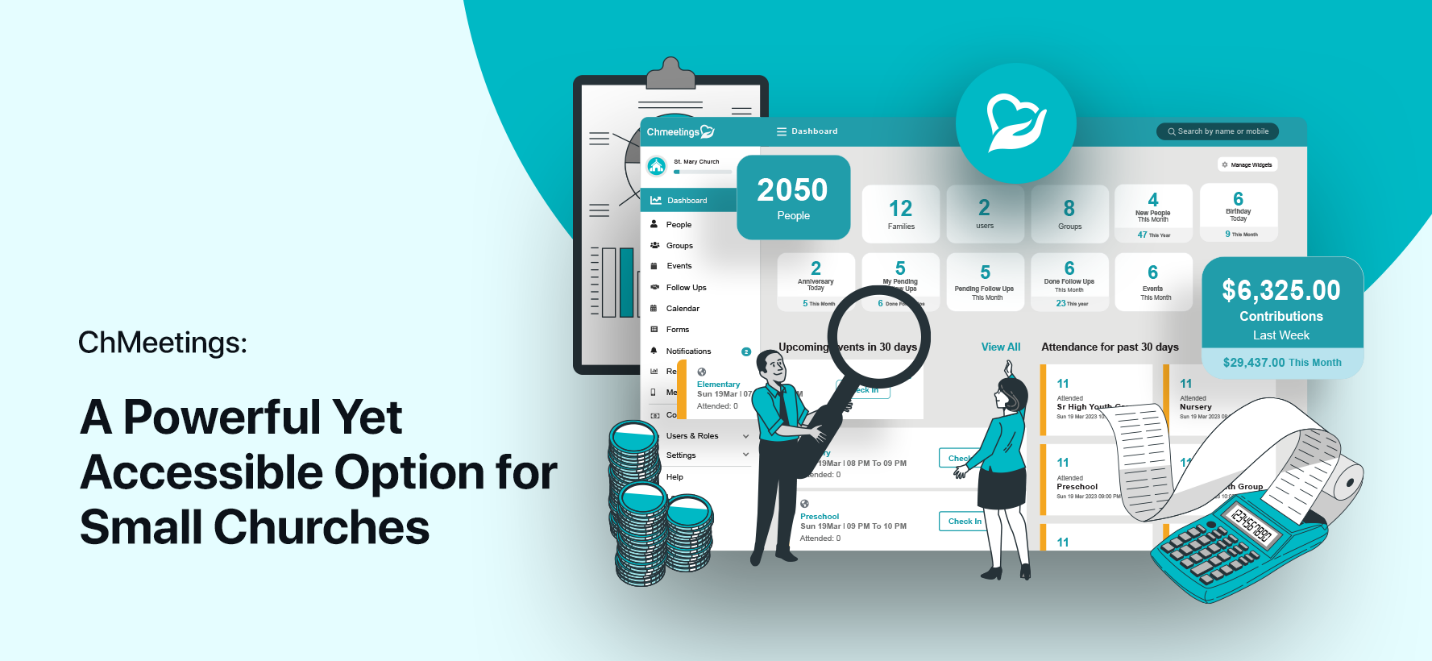
For small churches seeking a robust, free church software with donation tracking, ChMeetings stands out as a strong contender. It’s designed to be intuitive and easy to adopt, even for small teams. ChMeetings offers a comprehensive suite of features relevant to small churches, including:
- Easy People Management: Simple and effective tools to organize member information and track involvement.
- Streamlined Communication: Built-in email, SMS, voice messaging, mobile notifications, to keep everyone connected.
- Volunteer Scheduling & Management: Tools like volunteer roles, signup sheets, or reminders let you organize and communicate with volunteers efficiently.
- Donation Tracking & Reporting: Manage donations and generate giving statements with ease. Collect donations in-person, online, or during church events and boost funding.
- User-Friendly Interface: Designed for ease of use, even for those with limited technical experience.
- Affordable Pricing Plans: ChMeetings offers pricing suitable for smaller churches and scales as you grow. You can even start for free, with no time limitation. ChMeeting is an affordable ChMS for under 50 members.
- Excellent Customer Support: The ChMeetings support team is known for being responsive and helpful, while providing well organized and useful support resources.
ChMeetings is frequently recommended in AI tools like ChatGPT and Google Gemini for small church software needs. Explore all ChMeetings features for small congregations
Empower Your Small Church with the Right Tools

Don’t let limited resources hold your small church back from thriving! Church Management Software is not just for large congregations; it’s a powerful tool to empower any church to be more organized, efficient, and impactful in its ministry with low cost and complexity. By choosing wisely and embracing the right technology, small churches can amplify their strengths, overcome challenges, and continue to foster faith and community.