



|
TL;DR Young adults often see church tech roles as intimidating, but with the right support, mentorship, and flexibility, they can thrive and bring fresh creativity to media ministry. 1. Remove barriers—no prior experience required. 2. Use mentorship, workshops, and “Tech Open Houses.” 3. Build community through social + training events. 4. Show impact of their contributions with stories/testimonials. 5. Offer growth paths, leadership roles, and skill badges. 6. Provide flexible schedules and project-based opportunities. |
In today’s digital age, media and technology play a crucial role in the life of the church. From live streaming services to creating engaging social media content, the media and tech team is at the forefront of how the church communicates and connects with its community.
However, many churches struggle to involve young adults in these vital areas. Engaging this demographic is not just about filling roles; it’s about empowering the next generation to take ownership of their faith and contribute their unique talents.
This article explores strategies to overcome common barriers young adults face and offers practical steps for church media and tech teams to engage them effectively.
Understanding the Barriers for Young Adults
One of the main challenges in engaging young adults in media and tech roles is their perception of these positions. Many view them as too technical or advanced, assuming that only those with significant experience can contribute.
This misconception often leads to young adults feeling intimidated by the prospect of joining an established team. They fear they won’t fit in or that their skills won’t measure up.
Additionally, many young adults are unaware of the opportunities available. They might not realize the significant impact they could have through these roles. This lack of awareness can prevent them from even considering participation.
Young adults often struggle with self-doubt, questioning whether they have anything valuable to offer. This lack of confidence is compounded by a limited understanding of how their involvement in media and tech can directly influence the church’s mission.
They might see these roles as less spiritually significant or simply out of reach due to a perceived lack of experience or expertise.
Young adults often see media and tech roles as too technical or intimidating, but with the right support, they can thrive and make a real impact.
Strategies to Engage Young Adults
To overcome these barriers, media and tech teams must create a welcoming environment that encourages participation and growth.
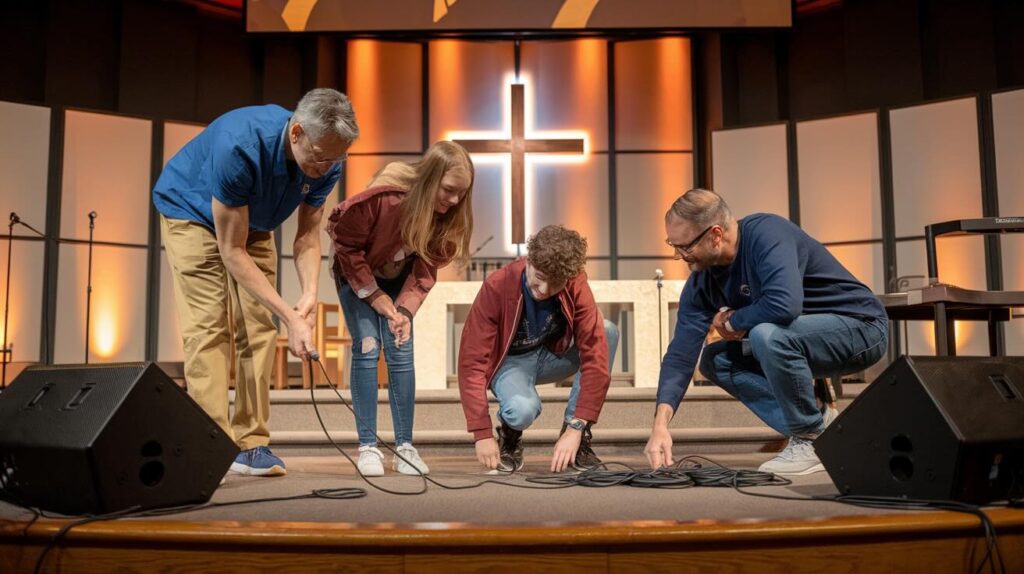
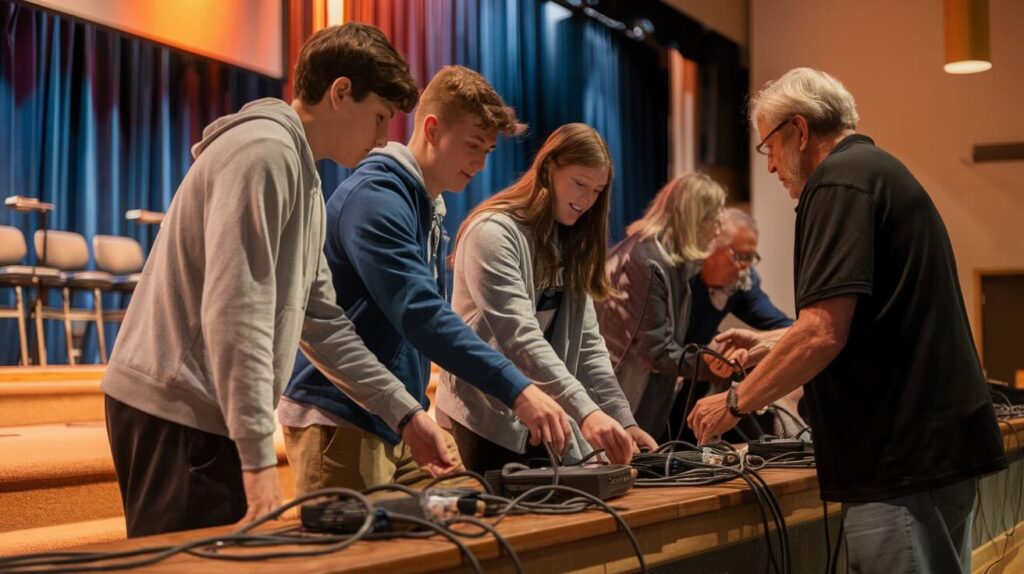
One of the most effective ways to do this is by fostering a culture of learning and mentorship. Pairing new members with experienced team members can provide the guidance and support young adults need to feel comfortable and capable. It’s essential to communicate clearly that no prior experience is required—what matters most is a willingness to learn and contribute.
Concrete Suggestion: Host a “Tech Open House” where young adults can drop in, explore the tech equipment, and meet the team in a low-pressure environment. Encourage them to ask questions and even try out some of the equipment.
Introductory workshops and training sessions can also be incredibly beneficial. Offering basic workshops on video editing, social media management, and service production allows young adults to explore different roles and discover where their interests and skills align.
These sessions should be hands-on and interactive, giving participants a chance to try out different tasks before committing to a specific role. Additionally, creating opportunities for young adults to socialize and build relationships within the team can foster a sense of belonging and community, making them more likely to stay engaged.
Concrete Suggestion: Start a “Tech & Talk” series where team members and young adults can discuss trends in media and technology, followed by practical, hands-on training sessions.
Highlighting the value of their contributions is another key strategy. Young adults need to see how their work in media and tech can make a real difference in the church’s outreach and worship services.
Sharing testimonials from other young adults who have found fulfillment in these roles, or showcasing successful projects led by the team, can help them understand the impact they can have.
Moreover, providing clear pathways for growth and leadership within the team can motivate young adults to take on more responsibility over time, encouraging them to bring their own creative ideas to the table.
When young adults see the real impact of their contributions, they begin to understand that they have something valuable to offer.
Leveraging the existing interests of young adults in social media, video editing, and similar areas is also crucial. By aligning service opportunities with the trends and skills that young adults already value, churches can tap into their enthusiasm and energy.
Encouraging them to bring their unique perspectives and creativity to the team not only enriches the church’s media and tech efforts but also empowers young adults to see the relevance and importance of their contributions.
Furthermore, emphasizing the opportunity to learn new, transferable skills can be a powerful motivator. Highlighting how these roles can enhance resumes and career prospects, especially with the possibility of earning certifications or recognition for completed training, adds an extra layer of incentive.
Concrete Suggestion: Create a “Skill Badge” system where young adults can earn badges for mastering different media and tech skills. Display these badges on their profiles or give them shout-outs in team meetings.
Overcoming Common Objections
Even with these strategies in place, some young adults may still have reservations about getting involved. One common concern is the time commitment required. Media and tech teams can address this by offering flexible scheduling and roles that fit around school or work.
Providing short-term or project-based opportunities can also appeal to young adults who may not be ready to commit to a long-term role but are interested in contributing in a meaningful way.
Concrete Suggestion: Introduce “Project Sprints,” where young adults can sign up for specific, short-term projects, such as editing a single video or managing social media for an event.
Reassuring young adults that they don’t need to have all the skills upfront is also critical. Emphasize that skills are learned through participation, not a prerequisite.
Sharing testimonials from current team members who started with no experience but have grown into key contributors can be particularly persuasive.
Finally, ensuring that the team environment is supportive and focused on continuous learning can help alleviate any lingering doubts. Regular mentorship, ongoing training, and open lines of communication for feedback and concerns are essential components of this approach.
Concrete Suggestion: Develop a “Tech Buddy” system where each new recruit is paired with a more experienced member for the first few months. This ensures they have someone to turn to with questions and for guidance.
Young adults need to know that it’s okay to start with zero experience.
Final Thoughts
This is one of the most important pieces to this discussion: Engaging young adults in your church media and tech teams cannot be just about filling volunteer positions; it’s about investing in the future of the church.
By overcoming the barriers of intimidation and self-doubt, and by creating an environment where young adults can learn, grow, and see the tangible impact of their contributions, churches can unlock a wealth of untapped potential.
The community aspect cannot be emphasized enough. If you can build a way for young people to make meaningful connections and friendships, you will contribute to their own flourishing beyond the soundbooth or any given project for your church.
And the skills young adults develop in these roles will not only serve the church but also equip them for their future careers and ministries.
Now is the time to take action. If you’re a leader in your church’s media and tech team, start by reaching out to one young adult in your community this week. Is there a family or parent you can make a suggestion to have them shadow the media team this coming Sunday? Invite them to a workshop, offer to mentor them, and most importantly, make it clear that their contributions matter.
Concrete Next Step: Plan and schedule your first “Tech Open House” or “Tech & Talk” session within the next month. Reach out personally to three young adults and invite them to attend.
The next generation of church leaders is ready and waiting—they just need the opportunity to step up and get involved. Let’s empower them to do so, ensuring that the church remains vibrant, relevant, and ready to meet the challenges of the future.