

For churches, data security should be a top priority today. While technology can help churches become more efficient and better serve their members, it also comes with potential risks. That’s why it’s so important for churches to back up their data. In this blog post, we’ll be looking at some of the best online backup services for churches.
Top 7 Online Backup Services for Churches
| Service | Description |
|---|---|
| Carbonite | 1.1 million customers trust Carbonite to back up and restore their data automatically. |
| Backblaze | Back up your Mac or PC for just $7/month. |
| Crashplan | Enterprise-grade data protection, billed monthly at $9.99 per-device. |
| IDrive | lProtect your PCs, Macs, iOS, and Android devices into ONE account, including external hard drives |
| Mozy | MozyHome is now owned by Carbonite and does not offer any online backup service of its own. |
| LiveDrive | Livedrive automatically keeps a copy of your files safe in their UK data centers. |
| Acronis | Acronis delivers a unique approach by combining cloud backup with cyber protection features, such as anti-malware and antivirus. |
Local Back-up Option: No Excuses Anymore
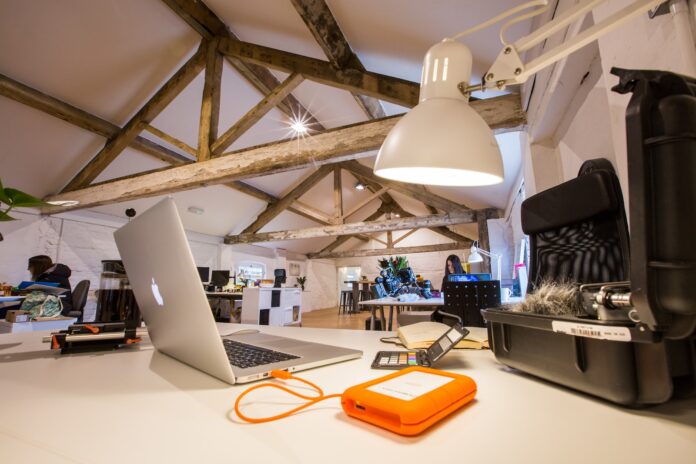
These days, there’s no excuse not to back up your computer with an external hard drive. Prices for external storage devices have come down significantly in recent years, making them easily accessible and affordable for almost everyone. Backing up data has never been easier or more cost effective than it is today, and with so much of our lives and information on the line, investing in a dependable backup system is something that everyone should consider.
You choose: HDD or SSD. Both are affordable today.
Today, you have two options when it comes to drives: SSD and HDD. Do you know the difference between HDD and SDD? Like with any purchase, each type has its own unique pros and cons; the biggest difference between the two is performance. SSDs (solid-state drives) offer faster read and write speeds than traditional hard disk drives (HDDs), meaning you’ll be able to access your files much more quickly. With an SSD, you also get a physical drive that’s lighter, quieter, and more energy efficient than an HDD.
However, SSDs typically come with higher price tags. On the other hand, HDDs are cheaper but offer slower speed performance; they are great for high-capacityd storage needs as they are much larger than an SSD drive. Ultimately, the decision between SSD and HDD comes down to your budget and your performance requirements.