


|
TL;DR Technology isn’t the enemy—pastors can use it to extend ministry impact, prevent burnout, and prepare more effectively, while keeping people at the center. 1. Many pastors feel under-resourced: 45% lack tech confidence; most churches spend <10% of budget on tech. 2. Tech is a neutral tool—apps, Bible software, and AI can enhance engagement and efficiency. 3. AI should be treated like an intern: helpful for admin and planning, freeing pastors for people work. 4. Action steps: experiment with AI, leverage tech talent in your church, and cast a clear vision for adoption. |
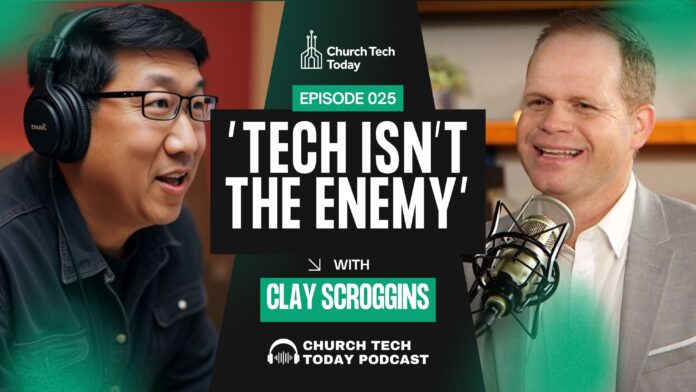
Church Tech Today Podcast Show Notes
Host: Kenny Jahng, Editor-in-Chief of Church Tech Today
Guest: Clay Scroggins, Author and Leadership Coach
Episode Overview
This episode features a compelling conversation between Kenny Jahng and Clay Scroggins, leadership expert, author, and former lead pastor at Buckhead Church under North Point Ministries. They explore the intersection of leadership, technology, and ministry, discussing practical ways pastors can embrace technology, tackle burnout, and leverage AI to enhance their effectiveness.
Key Takeaways
Modern Challenges in Pastoral Leadership
Expanded Role Expectations: Pastors are expected to fulfill roles as theologians, communicators, organizational leaders, cultural commentators, and technology experts.
- Tech Complexity: The growing reliance on technology adds pressure to pastoral responsibilities.
- Insights from Pushpay’s 2024 Report:
- 45% of pastors feel unconfident about adopting tech solutions.
- 55% of churches allocate less than 10% of their budget to tech.
- Budget constraints and confidence gaps are major barriers to tech adoption.
Technology as a Ministry Tool
- Technology enables churches to extend engagement beyond the Sunday service.
- Practical Uses:
- Mobile apps for prayer requests and volunteer scheduling.
- Bible software like Logos for more efficient sermon preparation.
- Key Perspective: Technology is a neutral tool—its impact depends on how churches use it.
Approaching AI in Ministry
- Adoption Trends: AI adoption is growing, with 87% of church leaders in favor of its use in ministry.
- Common Objections: Misconceptions that AI in sermon prep is “cheating.”
- Kenny’s Philosophy: AI should be seen as an intern—a tool to save time and enhance focus on pastoral care.
Actionable Steps for Pastors
- Experiment with AI: Use tools like ChatGPT to assist with non-sermon tasks, such as planning difficult conversations or creating group materials.
- Leverage Congregational Talent: Seek advice from tech-savvy members of your church.
- Build Influence: Advocate for a tech-forward culture by presenting clear, actionable plans to leadership.
Memorable Quotes from Clay
- “We’re not competing against technology; we’re using it to raise the sail and catch the wind.”
- “Prepare more efficiently so you can pastor more effectively.”
- “The answers to your problems aren’t always in the boardroom; they’re out in your congregation.”
Related Links
- ClayScroggins.com
- How to Lead When You’re Not In Charge by Clay Scroggins
- 2024 State of Church Technology Report
- 2024 Church Tech Today/Exponential AI NEXT State of AI in the Church Survey
- SermonPrep.ai
Connect With Us
What stood out to you most during this conversation? Share your thoughts and follow-up questions for future episodes. Email us at kenny@churchtechtoday.com or connect with Kenny Jahng on Instagram or LinkedIn.
Thanks for tuning in to the Church Tech Today Podcast!